Vakhiyo
Valley
Where to start
A valley older than a thousand years
In the Vakhiyo valley the Khingou river, over 200 km long, rises from the glaciers of the Garmo massif in the Academy of Sciences range and from the Darvaz range. Breaking through a narrow gorge across the Peter the First range, it joins the Surkhob to form the Vakhsh.
The Khingou valley, bounded by the Peter the First range to the north and the Darvaz range to the south, is between 0.5 and 5 km wide. It lies considerably higher than the neighbouring Surkhob and Panj valleys: settlements here stand at 1,500 to 3,000 m.
Who we are, if you ask the blood
Participants take a DNA test, and we collect the results
in an open database and show who the valley matches.
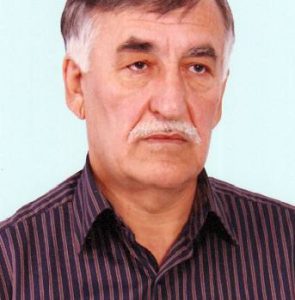
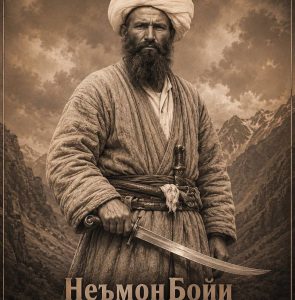
The faces the valley is proud of
What's new in the valley
 History
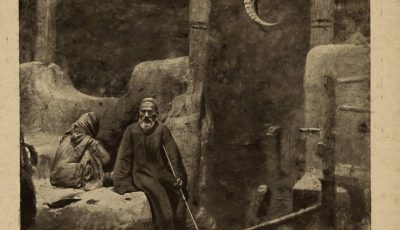
The nakhchir in the traditional culture of Vakhiyo
Nakhchir horns on house doors, on graves and at shrines, images on walls — and why this tradition has almost disappeared.
Culture
Fakhr binmo chovido, tu zodai Vakhiyo asti!
A folk song to the verses of Jovid Ghulom, performed by Dilovar Partoev — part of the valley's cultural memory.
 Crafts
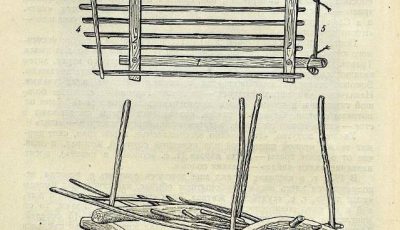
Traditional farming and household practices in the Vakhiyo valley
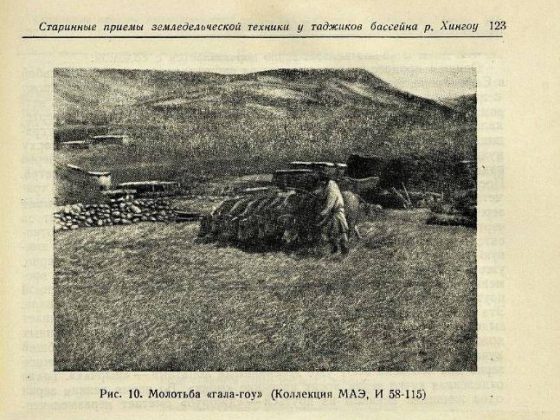
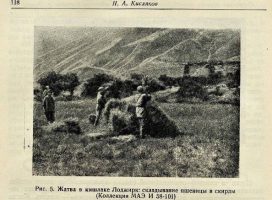
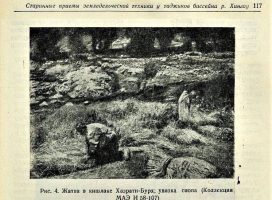
How hay and sheaves were carried in the mountains: bundles on the back and the “chigina” drag sledge made of five parts.
Preserving the past for future generations
Map of the Vakhiyo valley
Villages of the Vakhiyo valley
The Vakhiyo valley is divided into two parts: Lower Vakhiyo up to Jari Bakht and Upper Vakhiyo above Jari Bakht. Upper Vakhiyo includes the villages on the banks of the Khingob river, as well as the Obi Arzing and the Obi Mazor. Lower Vakhiyo covers the areas of Khloz (Childara), Tur (Tavildara), Nizhgola (Miyonadu) and Sagirdasht.
Vakhiyoi Bolo · Vokh group
Sari Sang, Urfadi Poyon, Urfadi Bolo, Psoda, Guzovot, Starkha (Sarkha), Raboti Khukh, Lochirk, Sari Bich, Sangvor, Skad, Nad, Darai Kalp, Bursa, Roga, Dashti Bolo, Madingat, Arzing, Pashmgar, Nayguf, Dargaz, Darakhtak, Nusay, Khazrati Burkh, Darbog, Darai Darkharva, Virzga, Borshid.
Tur group
Langari Tavildara, Gurkham, Khur, Gurum, Sayyod, Punarvog, Sabzikharf, Yufan, Ishtiyon, Lukharvi, Khipshon, Argankul, Layron, Alisurkhon, Nusuni, Langari Sangvor. On the left bank of the Khingob: Tavildara, Farking, Karanak, Sari Changalo, Sari Dasht, Dei Kalon, Tutoi Bolo, Tutoi Poyon, Zagarai Bolo, Zagarai Poyon, Pagula.
Nizhgolagi group
Miyonadu, Churi Poyon, Churi Bolo, Zuvay, Darai Khayron, Govd, Darai Sebak, Darai Bolo, Khirz, Govdi Pasi ovrinch, Govdi Past, Govdi Miyona, Khipshon, Darai Sarkoron, Kaskarog, Gundarai Poyon, Gundarai Bolo.
Sagirdasht
Pushtarog group: Zarako, Pastirog, Arbobiyon, Kal’ai Khusayn, Inkon, Langaro, Mirzoyon, Murgak (Margak)-i Bolo, Murgaki Poyon, Pushtarog, Zaki-avdi, Chirsuni Bolo, Chirsuni Poyon, Shine. Sagirdasht group: Darai Melo, Oluni, Okhangaron, Sadika, Shokhorun, Kulumbai Bolo, Kulumbai Poyon, Galchagiyon, Gulyon, Kamchak, Mirudyon, Lukhch, Nishay, Sayidon, Sagirdasht, Chikhkak, Tilimiyon, Yakhmoch, Dovagi, Gurbadara, Pastiku, Pastelak, Safedoron, Farking.
Khlozi group · right bank of the Khingob
Yozgand, Rabotnoli Garibon (Rabotnoli Varavi), Rabotnoli Kalon, Shuri Bolo, Shuri Poyon, Dushokhakakhaki Bolo, Dushokhakakhaki Poyon, Childarai Bolo, Childarai Poyon, Dashti Sabz, Die Mullo, Gadoalii aftobru, Gadoalii Nushra, Kal’ai Khuchak, Dei Safar, Gelboldara, Dushokha, Odilyon, Amrugak, Mazor, Busholak, Talkhak, Murdon, Shakob, Yovoluk, Razoki Bolo, Razoki Dashti Kal’a, Razoki Darun (Dara), Razoki Povun, Pasi ovi talkh, Damov, Dashti Gerk (Gurk), Posvuni Sari Dasht, Posvuni Sari Char, Yofuch, Kaftarguzar, Yonur.
Khlozi group · left bank of the Khingob
Chorg, Darai Chui Aftobru, Darai Chui Nushra, Farki shodi (Farki shavdi), Chavchi, Chashmai Kabud, Dashti Khasan, Khaliliyon, Sari Sel, Khamdara, Kalpak, Girdob, Navobod, Sevak, Chashmasor, Pashor, Khochai Khloz, Dashti Nayo, Khafchirog, Dei Bolo, Dei Ta, Dashti Gozi, Devlokhi Kalon, Kosagardon, Bedak, Bedaki Miyona, Bedaki Miron, Bedaki Poyon, Karakutan, Nurunch (Norinch), Dei Baland, Paski Guzu.
The list is compiled from material provided by valley residents. If a village is missing or named differently, write to us and we will update the map and the list.
You are part of this story too
Share an old photograph, a family story or a DNA test result. Every item makes the archive fuller.